
After a successful password rotation, this flow logs in to the change management API, records the rotation as a change and writes the change number on the vault item. Auditors can then match every password change to a change record. It uses the token pattern described in Call an API that needs a token.
|
Applies to |
Who can do this |
|---|---|
|
Monopam v2026.10 |
Super administrators. |
Before you begin
-
A vault item with the change API's client ID (Username) and secret (Password). Here it is named
cmdb-api-client. -
A custom field type that applies to Vault item:
LastChangeTicket(title Last change ticket). -
A rotation policy on the vault items whose rotations should be recorded.
The flow
|
Step |
Type |
Settings |
|---|---|---|
|
Trigger |
A password rotation finishes |
Event |
|
Rotation succeeded? |
If (context) |
All of: |
|
Get a token |
Ask an API |
POST |
|
Record the change |
Ask an API |
POST |
|
Write the change number |
Write a custom field |
Field |
|
Done |
Stop |
OK, |
|
Rotation failed |
Stop |
Warning, |
|
No token |
Stop |
From Get a token → failed. Failure, |
|
Change not recorded |
Stop |
From Record the change → failed. Failure, |
Body of Get a token:
{"client_id":"{{Vault.cmdb-api-client.UserName}}","client_secret":"{{Vault.cmdb-api-client.Password}}"}
Body of Record the change. The rotation event publishes the vault item's title and account name and, when the item belongs to a resource, the resource's fields. It never publishes the password.
{"shortDescription":"Password rotated: {{credential.title}}",
 "configurationItem":"{{resource.title}}",
 "account":"{{credential.userName}}",
 "requestedBy":"Monopam"}
The change API answers {"number":"CHG0001001","state":"Implemented",…}, so the number is change.json.number. The screenshots come from a lab API at http://localhost:4096.
Build it
-
Open Scripts → Flows, click New Flow and choose the event A password rotation finishes.
-
Add the condition first (1), so only successful rotations are recorded. Then Get a token and Record the change: its header carries the token (2), its body describes the rotation (3) and its answer is saved as
change(4).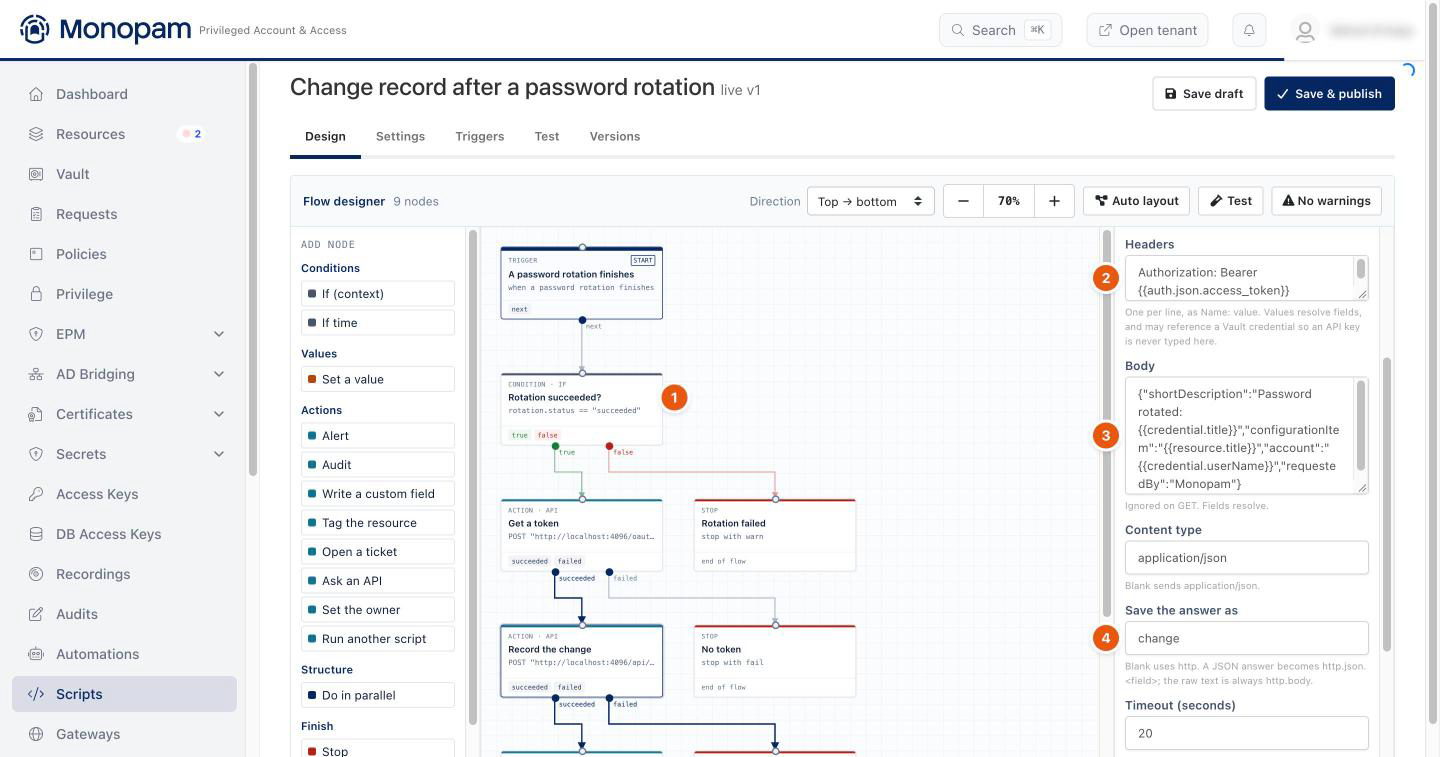
Figure 1. The rotation flow and the Record the change step.
-
Add Write the change number and the stops, then click Save & publish. A rotation flow needs no trigger binding: every published rotation flow answers every rotation.
Check the result
Rotate a vault item that has a rotation policy and open Scripts → Flow Runs. The condition (1) took true, the token (2) and the change (3) were answered, and the number was written (4).
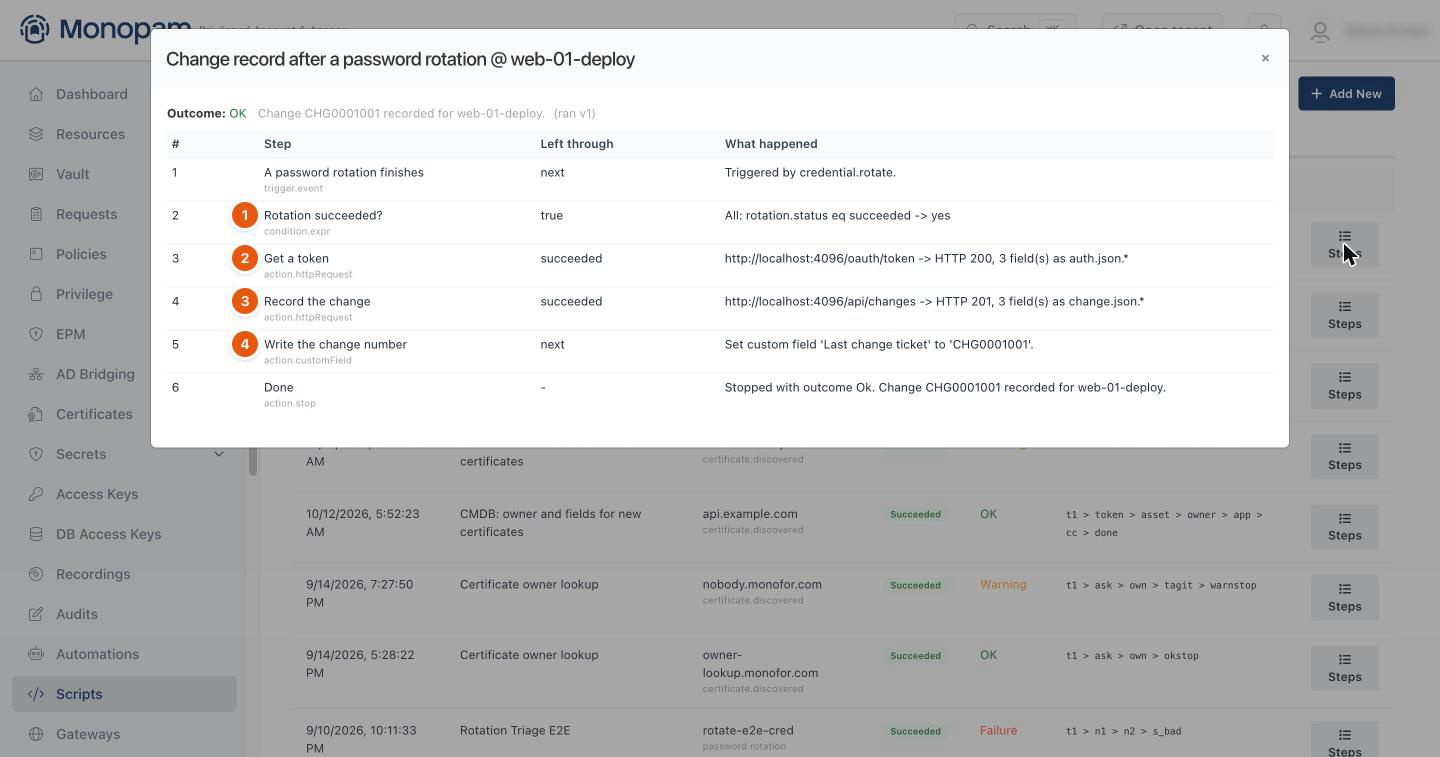
Figure 2. The run after a rotation of web-01-deploy.
The vault item's Custom Fields tab shows the change number (1). The next rotation overwrites it with the new one; the vault item's audit trail keeps every value the flow wrote.
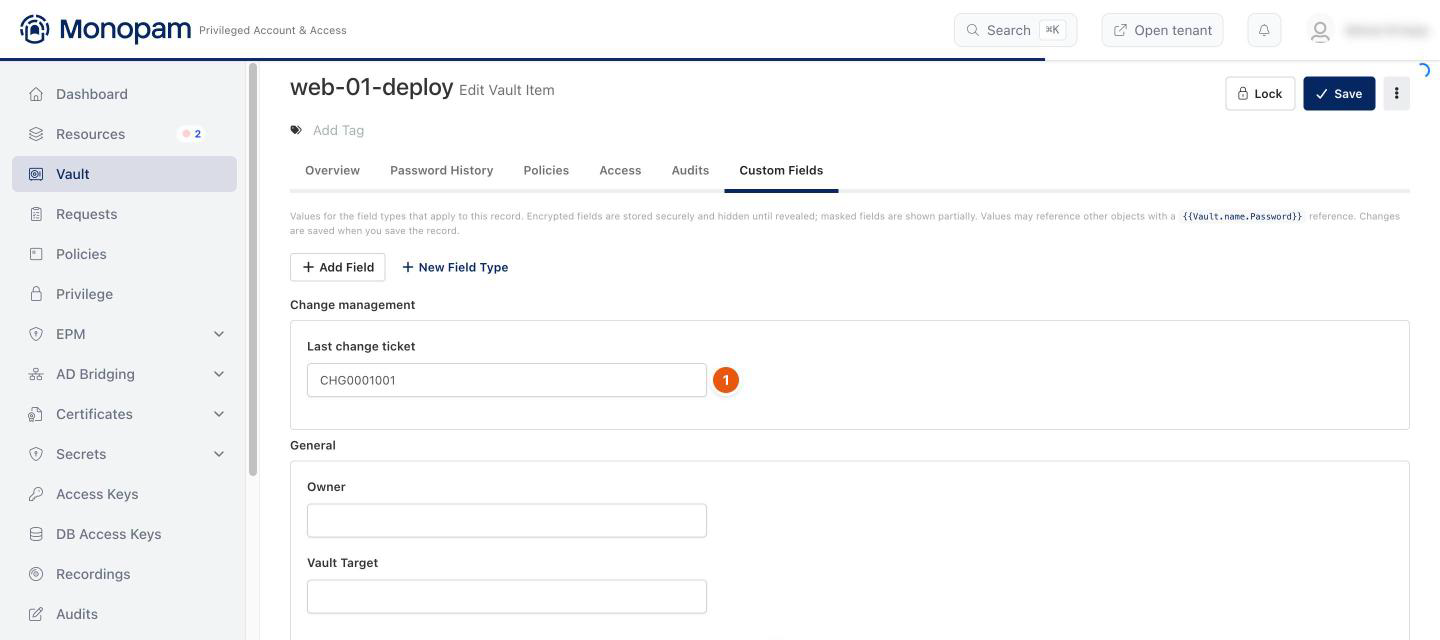
Figure 3. The change number on the vault item.
Troubleshooting
|
What you see |
Why |
What to do |
|---|---|---|
|
Runs end at Rotation failed. |
The rotation itself failed; nothing is recorded for it. |
Open the vault item's Audits for the rotation error. A Linux resource with a custom SSH port needs it set under Advanced → Custom SSH Port. |
|
Change not recorded with HTTP 400. |
The change API rejected the body. |
Compare the body with the API's required fields; a field the rotation does not publish becomes empty. |
|
Nothing runs after a rotation. |
The flow is not published or is disabled. |
Check Flows for Not published or Disabled. |
Related
-
Call an API that needs a token
-
Password rotation and reconcile
-
Vault items
-
Scripts and flows